 Pip Reader
A study behind every screen. A joke in front of it.
Every screen starts with one question: what does the reading research say? Short answer: teach every sound in order, let the child do the sounding out, and hand them a story they'll want twice. Below is each finding we build on, what we built because of it, and every source, so you can check us.
Written by the people who build the app, with more than 20 years of making learning apps for children. Sources last checked October 2026.
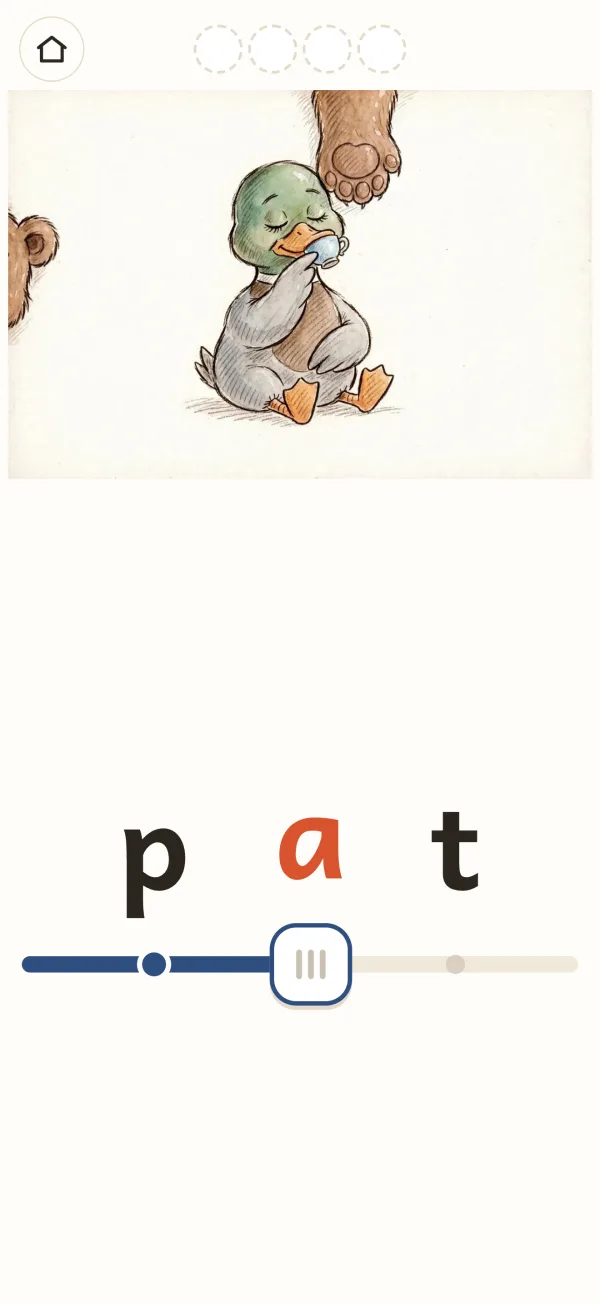

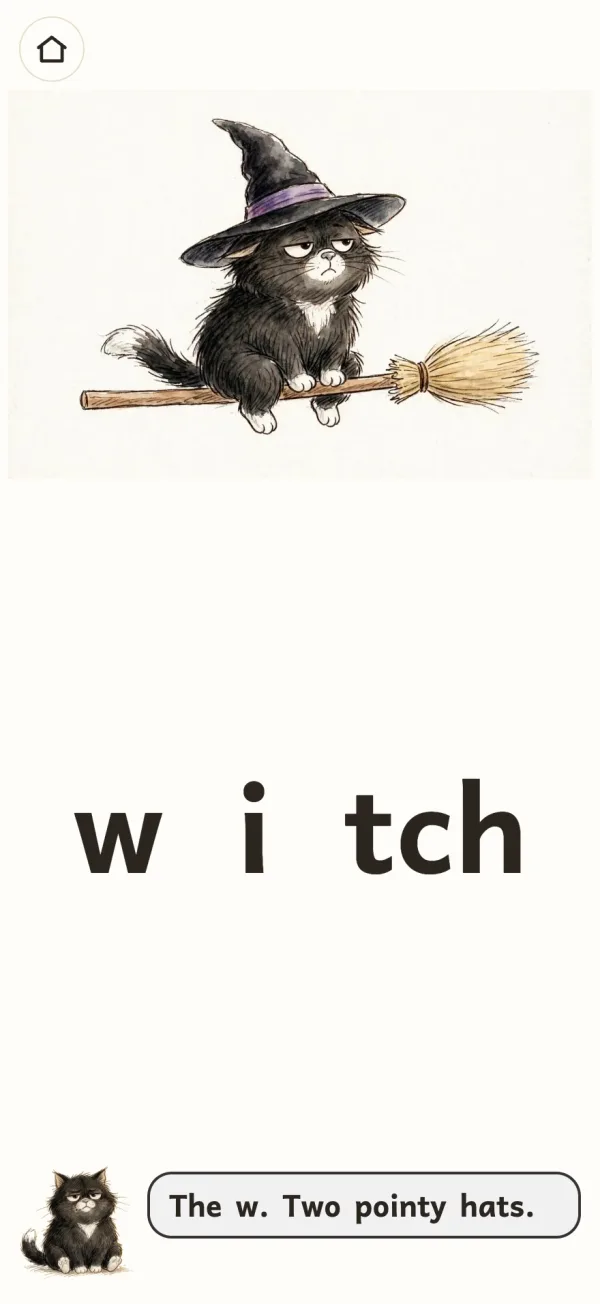
Two skills, multiplied: sounding out the word, and knowing what it means.
That's the Simple View of Reading [1], the frame most of the field builds on, and Scarborough's Reading Rope draws the same two strands [2]. A child who can't sound a word out can't read it, however many words they know. A child who sounds it out but doesn't know it hasn't really read it either. The big reviews agree that the sounding-out strand has to be taught directly, not left to pick up on its own [3][4].
Decodable is a tool. The goal is a kid who reads.
Many beginner programs hand children books that use only the sounds taught so far: "Sam sat. Sam sat on a mat." Those books have a real job: when every word can be sounded out, a child sounds out instead of guessing [5][6]. But no study has found the level of decodability that makes better readers [5][6], and a 2023 review of beginning reading interventions found the ones that did best used a mix of text types [7].
What the research does show: reading and wanting to read feed each other [8]. A child who wants to read reads more, gets better, and wants to read more. Nobody asks for the mat again.
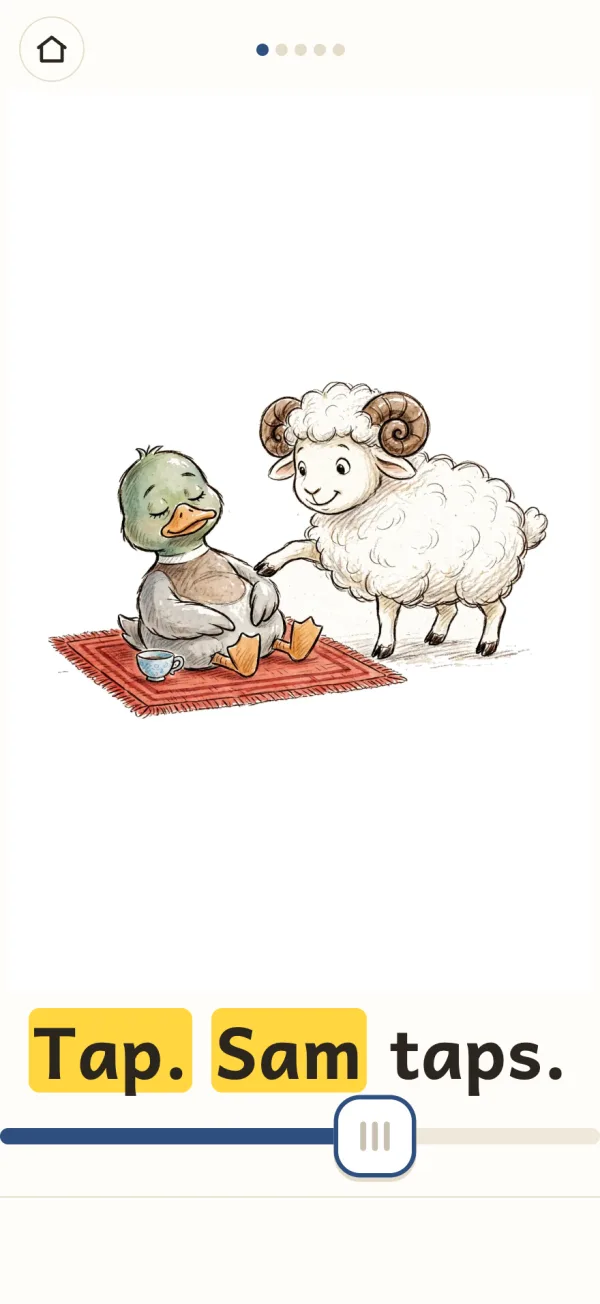
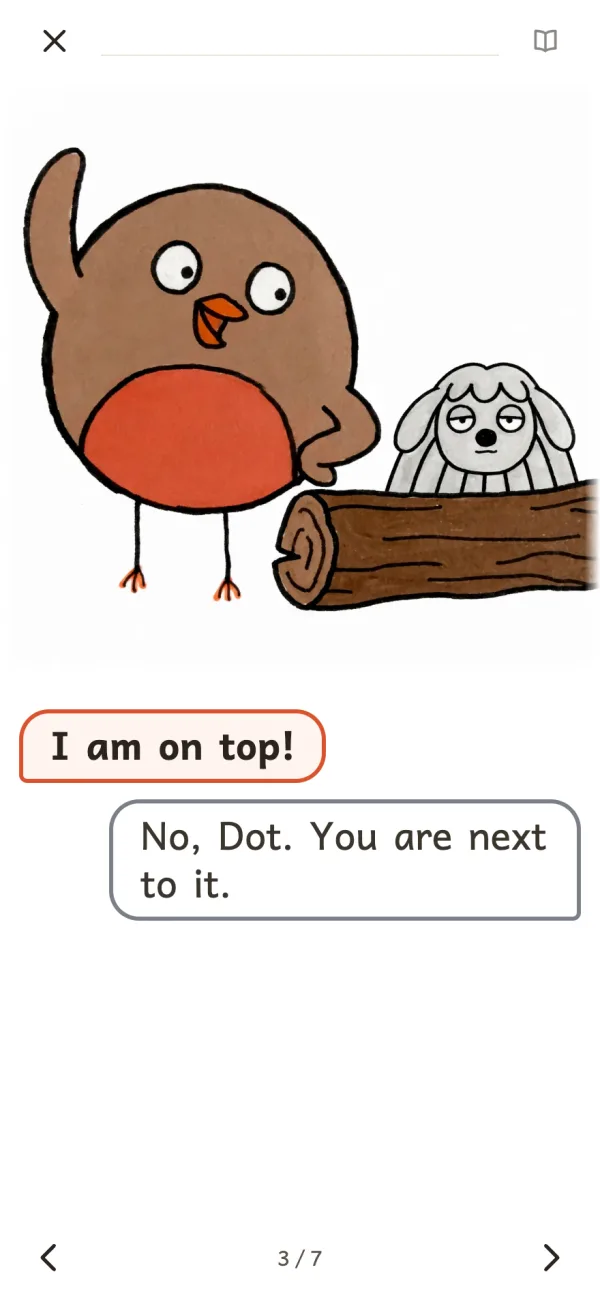
Funny enough to read again. And again. And again.
Newer models of reading put motivation and engagement right next to decoding [9]. A child who hears the same story again learns more new words from it than a child who hears a new story each time [10], and rereading builds fluency and understanding [11]. Children reread what they love.

A new host in every land
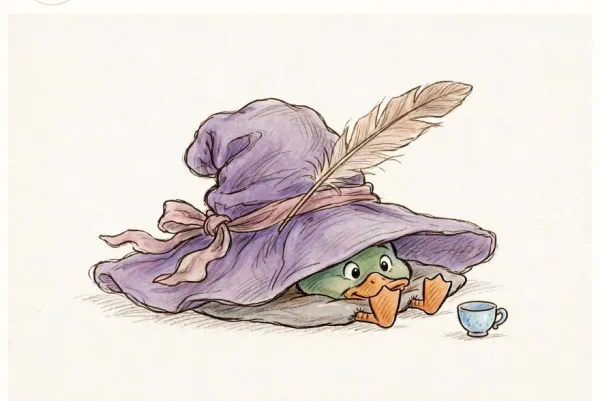
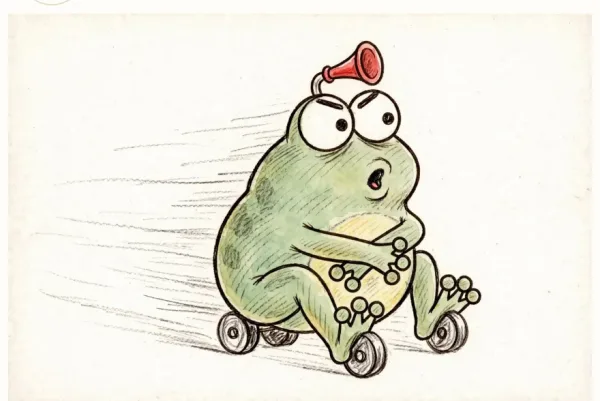


Every word show ends in a payoff that is the word. The child reads it, the picture proves it.
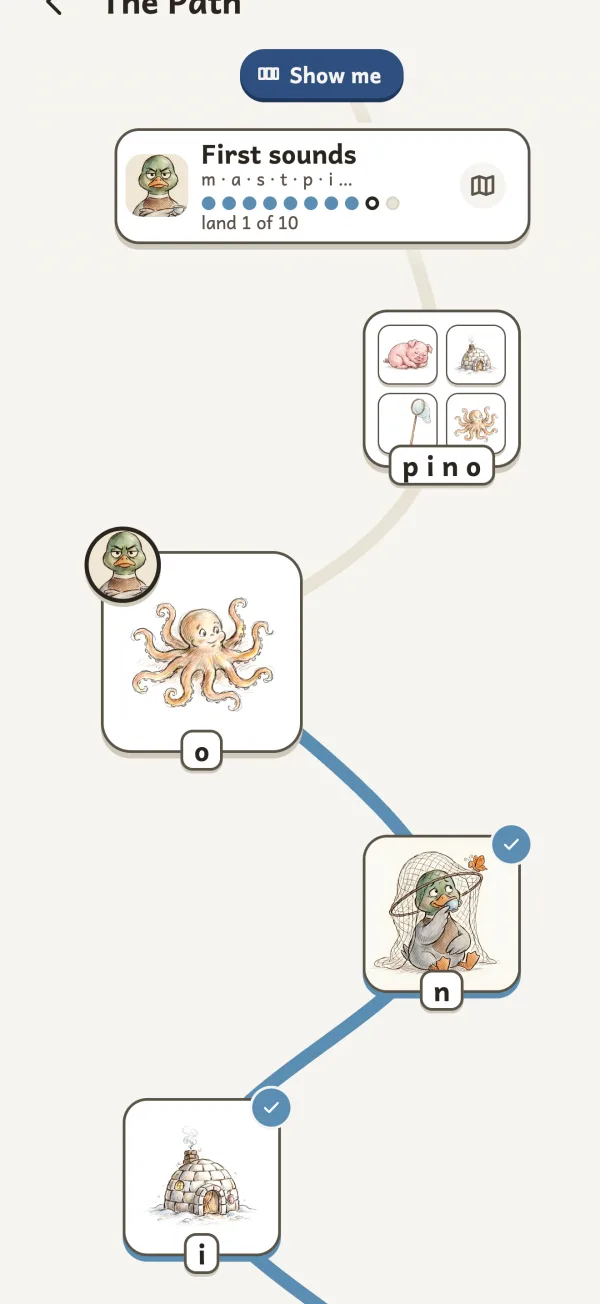
Every sound, in the order schools teach it.
Children taught letter sounds in a planned sequence read better than children taught without one. That's one of the strongest findings in reading research, from a 66-study review [12] to the U.S. Department of Education's practice guide on foundational reading skills [13]. It matters even more in English, where the same letters can spell different sounds: English-speaking children take far longer to learn to decode than children learning more regular languages [14]. A careful order is how you tame that.
No word is a shape. Every word is its sounds.
Children don't remember words as shapes. They store a word for instant reading by linking each of its sounds to its letters [15]. Every time a child sounds out a new word successfully, they learn its spelling for next time: decoding is how children teach themselves to read [16].
Hear it before you read it.
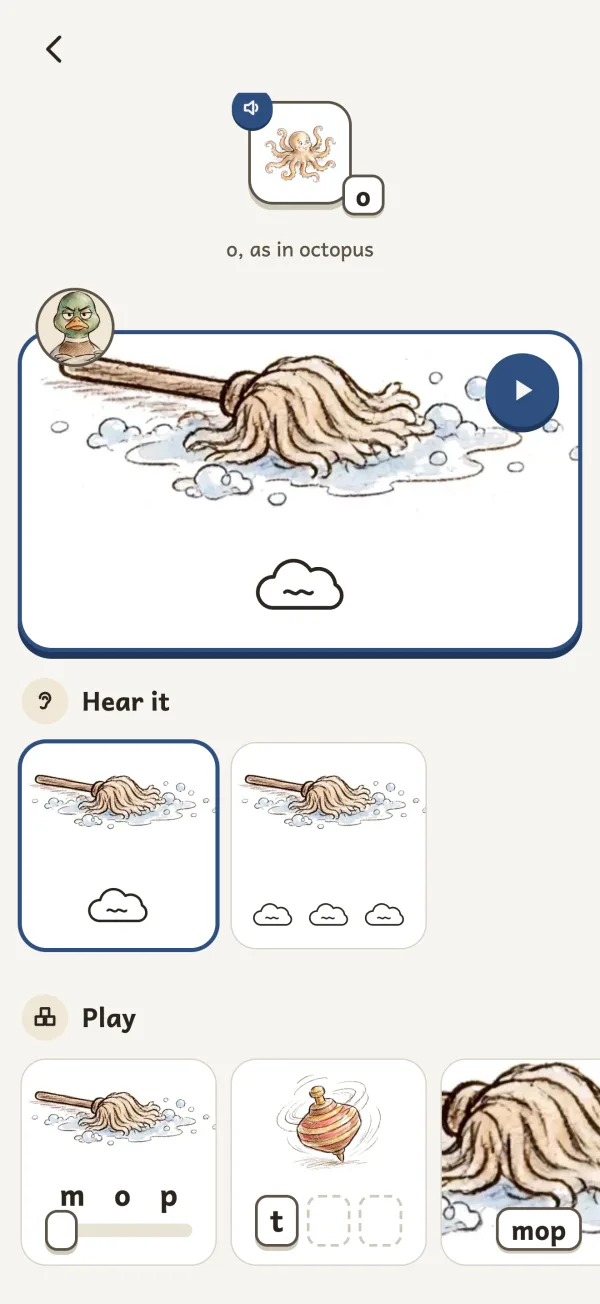
Before letters mean anything, a child has to hear that "mat" is three sounds. Teaching children to hear and blend sounds helps them learn to read, and it works best in short, focused doses, one or two skills at a time [17].
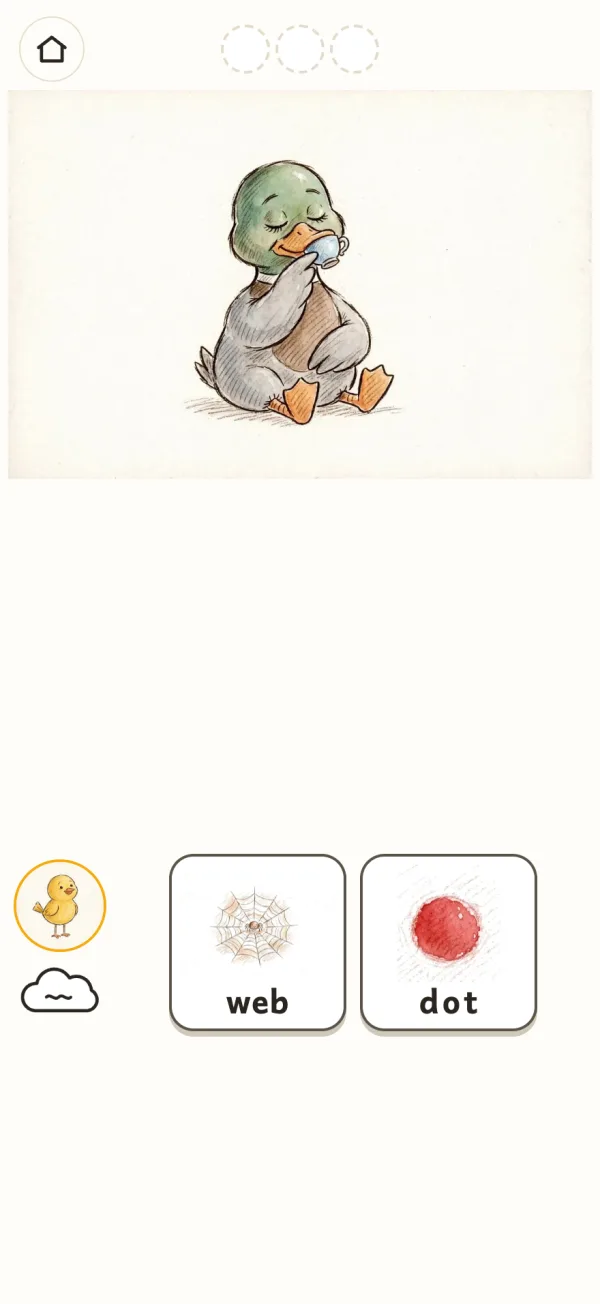
Mmmaaat, not m-a-t.
In a randomized study, kindergartners taught to run the sounds together ("mmmaaat") decoded new words more accurately than children taught to say each sound separately ("m", "a", "t"), and lost the first sound less often [18].
Spell it, read it.
Teaching spelling improves reading, not only spelling: that's the finding of a meta-analysis of spelling instruction [19]. Beginners who learn to spell words read them better [20], and a kindergartner's ability to sound out a spelling predicts their reading a year later [21].
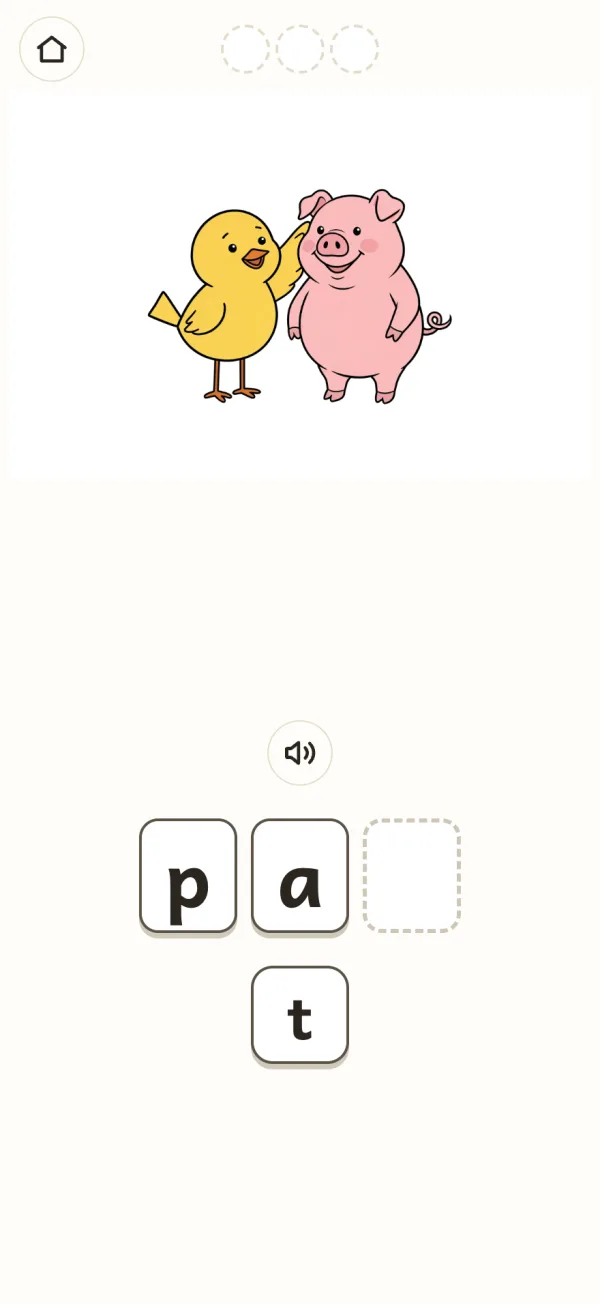
Words they already say.
Children read words aloud more accurately when they already know them [22]. Their spoken vocabulary also fixes near-misses: a child who sounds out "was" to rhyme with "gas" and knows the word "was" lands on it. Training that skill improved reading of new words, not just practiced ones [23]. Researchers rate words by the age most people learn them; the standard set covers 30,000 English words [24].
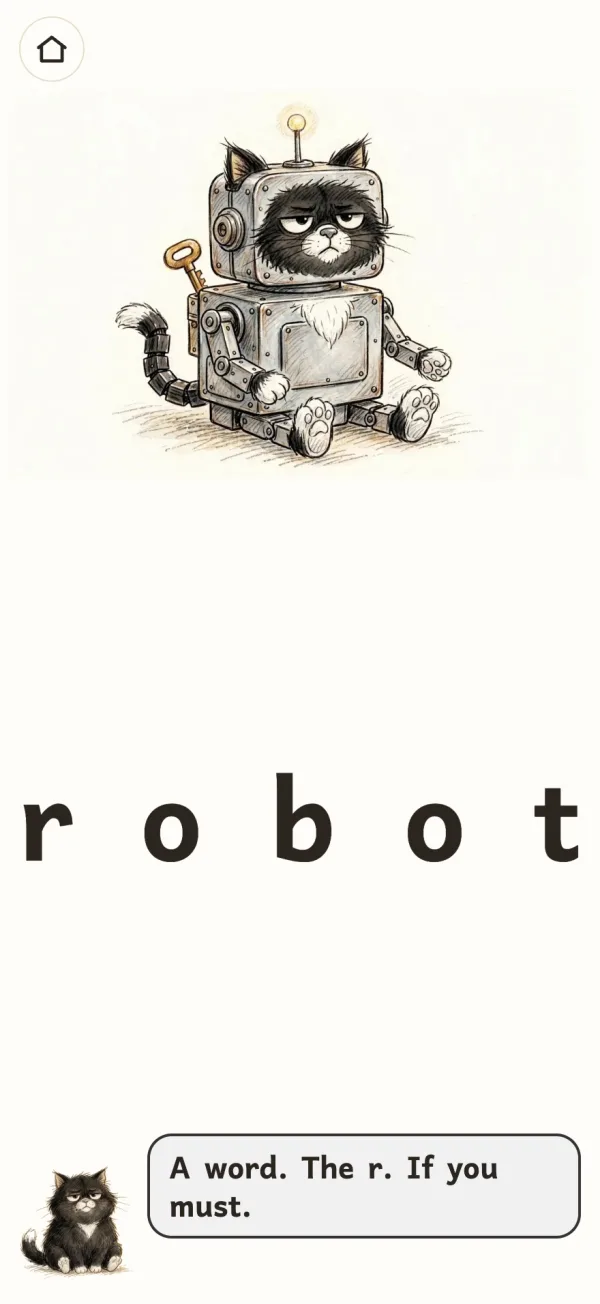
Light the word they're hearing.
Eye-tracking studies show that children being read to look at the pictures, almost never the words [25]. Without help, only about 5 to 6 percent of their looks go to the print; pointing to the words raises it [26], and drawing attention to print grows print knowledge [27]. In e-books, highlighting each word as it's read about doubled the time kindergartners spent looking at print [28]. A review of 57 studies found that narration matched to the story helps, while hotspots that pull attention away hurt [29].
Try it first. Then check.
The self-teaching research says the learning happens in the attempt: a child who sounds a word out themselves stores its spelling [16]. Text-to-speech helps struggling readers understand text [30], but it can't do the sounding out for them.
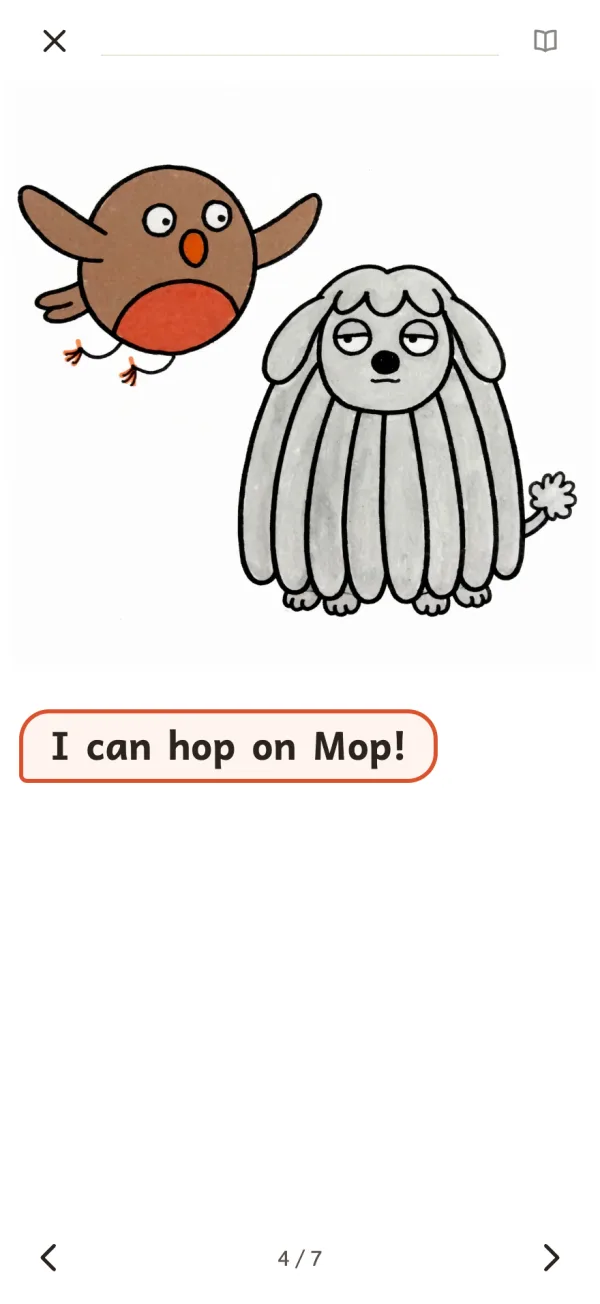
Warm up on the hard words. Then the phrases. Then the story.
Practicing words on their own builds accuracy. Practicing them in phrases carries over better to reading speed in the story [31].
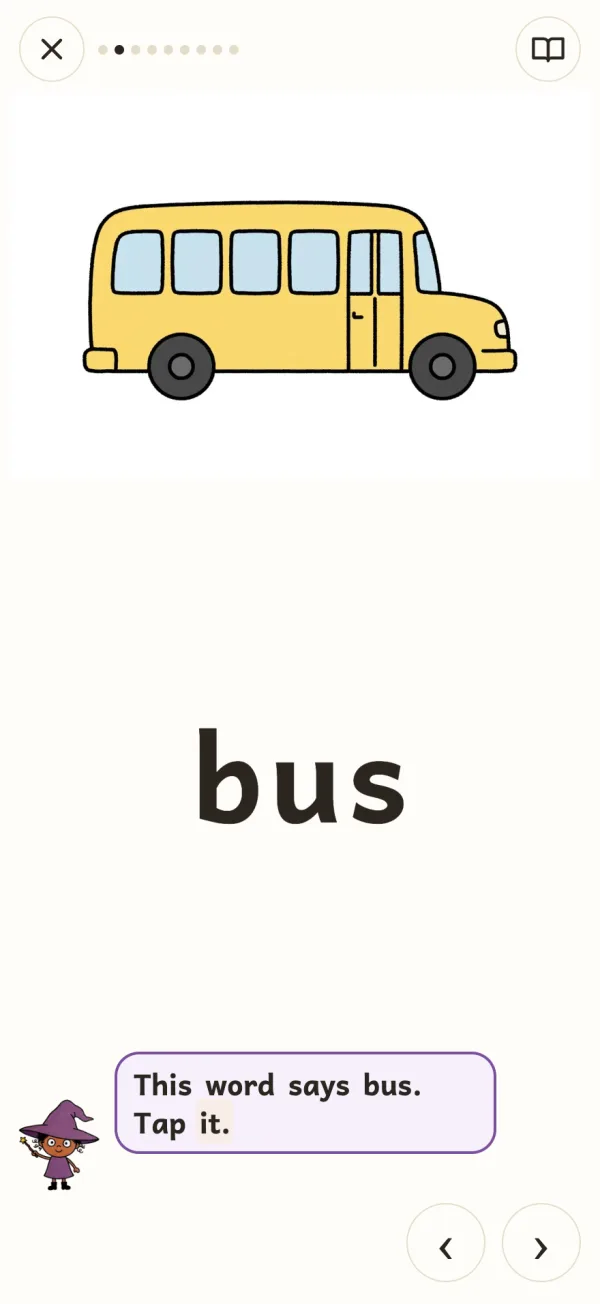
Yesterday's sounds show up today.
Spreading practice out and pulling things back from memory are two of the best-supported learning techniques [32], and both work for young children too [33][34].
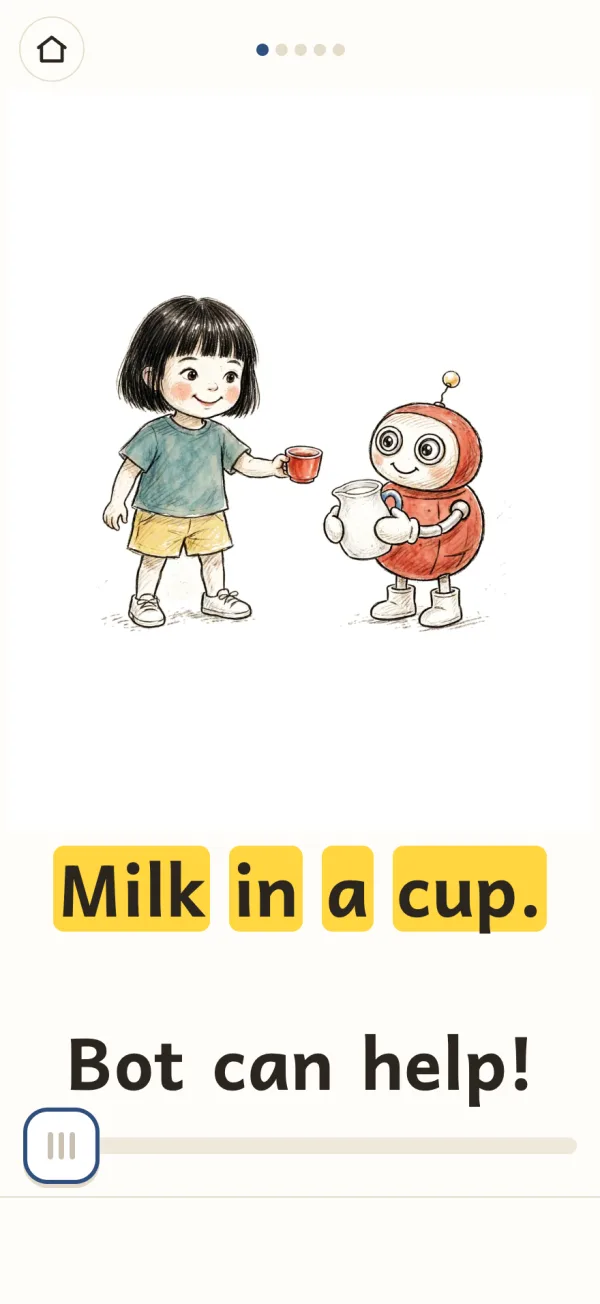
No stars. No streaks. No sad trombone.
Rewards a child expects for doing something can reduce their own interest in it [35][36]. The field still debates how much points and badges matter for learning [37]. We'd rather the reading be the reward.
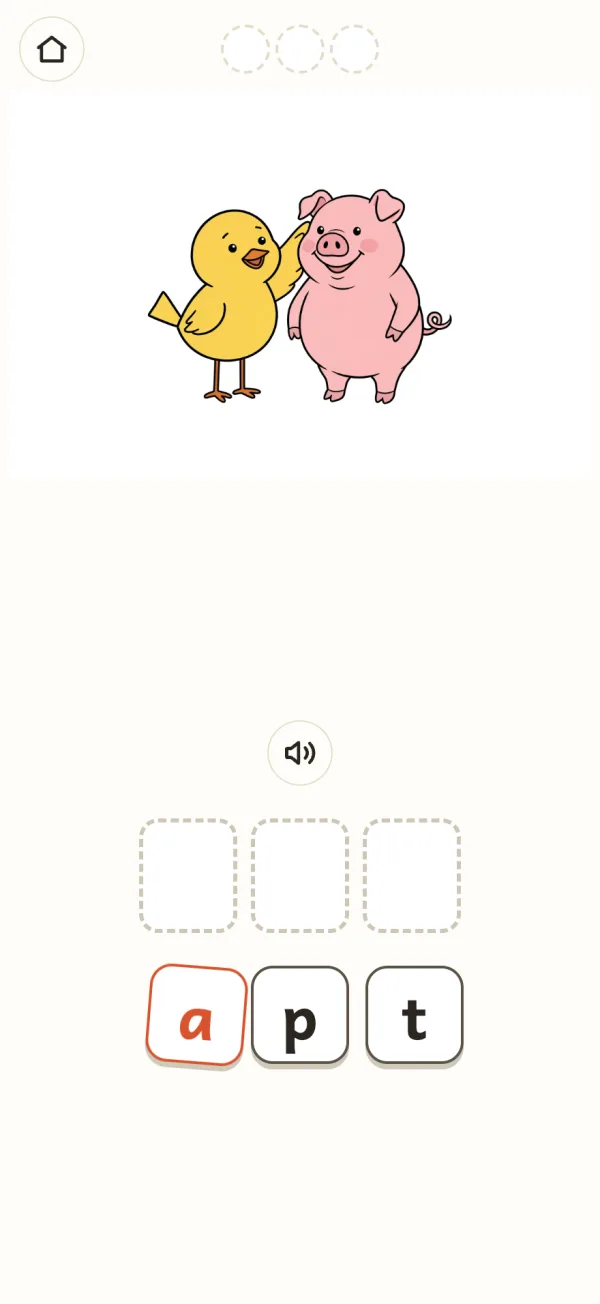
Keeps the kid thinking. Brings a grown-up in.
Children learn from apps that keep them mentally active and engaged, connect to their lives, and involve other people [38], and most popular children's apps score low on exactly those [39]. Learning apps help on average, most of all when they teach a specific skill [40].
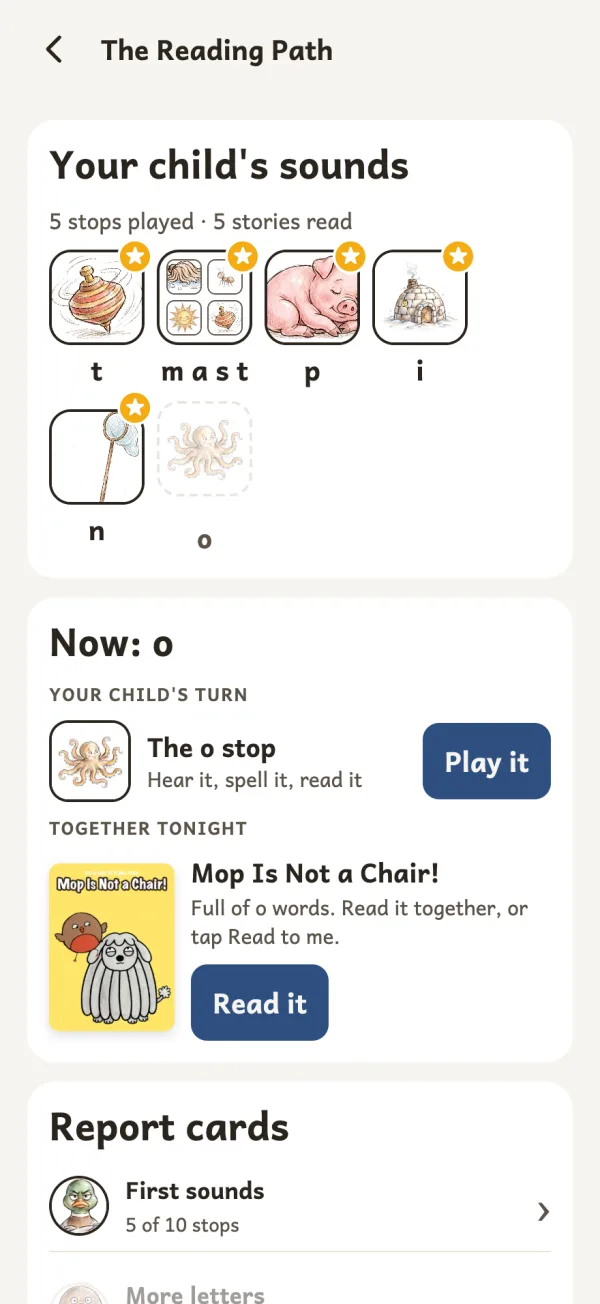
What we say, and what we don't.
- We cite principles, not results.Pip Reader hasn't been studied yet. When we run a study, the results go on this page, whatever they are.
- Strong evidence, not "settled".Systematic phonics has some of the strongest evidence in education; researchers still debate how large its advantage is [41].
- No learning styles, no magic."Visual learners" isn't a thing [42], and highlighting draws eyes to words; it doesn't teach reading by itself. The sounding out does.
- Nothing replaces you.A grown-up reading with a child is where the words get their meaning. That's why every stop points to a book to read together.
- Spot an error?Write to support@pipreader.org. We'll fix the page and say what changed.
Every sound is open. Start anywhere.
Start at the first sound, or jump to the one your child is on.
Teachers and SLPs: the full scope and sequence, stop by stop, is on the teachers page.
Every source.
- Gough, P. B., & Tunmer, W. E. (1986). Decoding, reading, and reading disability. Remedial and Special Education, 7(1), 6–10. doi:10.1177/074193258600700104
- Scarborough, H. S. (2001). Connecting early language and literacy to later reading (dis)abilities. In S. B. Neuman & D. K. Dickinson (Eds.), Handbook of Early Literacy Research (pp. 97–110). Guilford.
- Castles, A., Rastle, K., & Nation, K. (2018). Ending the reading wars: Reading acquisition from novice to expert. Psychological Science in the Public Interest, 19(1), 5–51. doi:10.1177/1529100618772271
- National Reading Panel (2000). Teaching Children to Read. NICHD. nichd.nih.gov
- Mesmer, H. A. E. (2001). Decodable text: A review of what we know. Reading Research and Instruction, 40(2), 121–141. doi:10.1080/19388070109558338
- Cheatham, J. P., & Allor, J. H. (2012). The influence of decodability in early reading text on reading achievement: A review of the evidence. Reading and Writing, 25(9), 2223–2246. doi:10.1007/s11145-011-9355-2
- Pugh, A., Kearns, D. M., & Hiebert, E. H. (2023). Text types and their relation to efficacy in beginning reading interventions. Reading Research Quarterly, 58(4), 710–732. doi:10.1002/rrq.513
- Toste, J. R., Didion, L., Peng, P., Filderman, M. J., & McClelland, A. M. (2020). A meta-analytic review of the relations between motivation and reading achievement for K–12 students. Review of Educational Research, 90(3), 420–456. doi:10.3102/0034654320919352
- Duke, N. K., & Cartwright, K. B. (2021). The science of reading progresses: Communicating advances beyond the Simple View of Reading. Reading Research Quarterly, 56(S1), S25–S44. doi:10.1002/rrq.411
- Horst, J. S., Parsons, K. L., & Bryan, N. M. (2011). Get the story straight: Contextual repetition promotes word learning from storybooks. Frontiers in Psychology, 2, 17. doi:10.3389/fpsyg.2011.00017
- Therrien, W. J. (2004). Fluency and comprehension gains as a result of repeated reading: A meta-analysis. Remedial and Special Education, 25(4), 252–261. doi:10.1177/07419325040250040801
- Ehri, L. C., Nunes, S. R., Stahl, S. A., & Willows, D. M. (2001). Systematic phonics instruction helps students learn to read. Review of Educational Research, 71(3), 393–447. doi:10.3102/00346543071003393
- Foorman, B., et al. (2016). Foundational Skills to Support Reading for Understanding in Kindergarten Through 3rd Grade (NCEE 2016-4008). Institute of Education Sciences. ies.ed.gov
- Seymour, P. H. K., Aro, M., & Erskine, J. M. (2003). Foundation literacy acquisition in European orthographies. British Journal of Psychology, 94(2), 143–174. doi:10.1348/000712603321661859
- Ehri, L. C. (2014). Orthographic mapping in the acquisition of sight word reading, spelling memory, and vocabulary learning. Scientific Studies of Reading, 18(1), 5–21. doi:10.1080/10888438.2013.819356
- Ehri, L. C., Nunes, S. R., Willows, D. M., Schuster, B. V., Yaghoub-Zadeh, Z., & Shanahan, T. (2001). Phonemic awareness instruction helps children learn to read: Evidence from the National Reading Panel's meta-analysis. Reading Research Quarterly, 36(3), 250–287. doi:10.1598/RRQ.36.3.2
- Gonzalez-Frey, S. M., & Ehri, L. C. (2021). Connected phonation is more effective than segmented phonation for teaching beginning readers to decode unfamiliar words. Scientific Studies of Reading, 25(3), 272–285. doi:10.1080/10888438.2020.1776290
- Graham, S., & Santangelo, T. (2014). Does spelling instruction make students better spellers, readers, and writers? A meta-analytic review. Reading and Writing, 27(9), 1703–1743. doi:10.1007/s11145-014-9517-0
- Ehri, L. C., & Wilce, L. S. (1987). Does learning to spell help beginners learn to read words? Reading Research Quarterly, 22(1), 47–65. doi:10.2307/747720
- Ouellette, G., & Sénéchal, M. (2017). Invented spelling in kindergarten as a predictor of reading and spelling in Grade 1. Developmental Psychology, 53(1), 77–88. doi:10.1037/dev0000179
- Nation, K., & Cocksey, J. (2009). The relationship between knowing a word and reading it aloud in children's word reading development. Journal of Experimental Child Psychology, 103(3), 296–308. doi:10.1016/j.jecp.2009.03.004
- Dyson, H., Best, W., Solity, J., & Hulme, C. (2017). Training mispronunciation correction and word meanings improves children's ability to learn to read words. Scientific Studies of Reading, 21(5), 392–407. doi:10.1080/10888438.2017.1315424
- Kuperman, V., Stadthagen-Gonzalez, H., & Brysbaert, M. (2012). Age-of-acquisition ratings for 30,000 English words. Behavior Research Methods, 44(4), 978–990. doi:10.3758/s13428-012-0210-4
- Evans, M. A., & Saint-Aubin, J. (2005). What children are looking at during shared storybook reading. Psychological Science, 16(11), 913–920. doi:10.1111/j.1467-9280.2005.01636.x
- Justice, L. M., Pullen, P. C., & Pence, K. (2008). Influence of verbal and nonverbal references to print on preschoolers' visual attention to print during storybook reading. Developmental Psychology, 44(3), 855–866. doi:10.1037/0012-1649.44.3.855
- Justice, L. M., Kaderavek, J. N., Fan, X., Sofka, A., & Hunt, A. (2009). Accelerating preschoolers' early literacy development through classroom-based teacher–child storybook reading and explicit print referencing. Language, Speech, and Hearing Services in Schools, 40(1), 67–85. doi:10.1044/0161-1461(2008/07-0098)
- Liao, C.-N., Chang, K.-E., Huang, Y.-C., & Sung, Y.-T. (2020). Electronic storybook design, kindergartners' visual attention, and print awareness: An eye-tracking investigation. Computers & Education, 144, 103703. doi:10.1016/j.compedu.2019.103703
- Takacs, Z. K., Swart, E. K., & Bus, A. G. (2015). Benefits and pitfalls of multimedia and interactive features in technology-enhanced storybooks: A meta-analysis. Review of Educational Research, 85(4), 698–739. doi:10.3102/0034654314566989
- Wood, S. G., Moxley, J. H., Tighe, E. L., & Wagner, R. K. (2018). Does use of text-to-speech and related read-aloud tools improve reading comprehension for students with reading disabilities? A meta-analysis. Journal of Learning Disabilities, 51(1), 73–84. doi:10.1177/0022219416688170
- Martin-Chang, S. L., & Levy, B. A. (2005). Fluency transfer: Differential gains in reading speed and accuracy following isolated word and context training. Reading and Writing, 18(4), 343–376. doi:10.1007/s11145-005-0668-x
- Dunlosky, J., Rawson, K. A., Marsh, E. J., Nathan, M. J., & Willingham, D. T. (2013). Improving students' learning with effective learning techniques. Psychological Science in the Public Interest, 14(1), 4–58. doi:10.1177/1529100612453266
- Vlach, H. A., & Sandhofer, C. M. (2012). Distributing learning over time: The spacing effect in children's acquisition and generalization of science concepts. Child Development, 83(4), 1137–1144. doi:10.1111/j.1467-8624.2012.01781.x
- Fazio, L. K., & Marsh, E. J. (2019). Retrieval-based learning in children. Current Directions in Psychological Science, 28(2), 111–116. doi:10.1177/0963721418806673
- Deci, E. L., Koestner, R., & Ryan, R. M. (1999). A meta-analytic review of experiments examining the effects of extrinsic rewards on intrinsic motivation. Psychological Bulletin, 125(6), 627–668. doi:10.1037/0033-2909.125.6.627
- Lepper, M. R., Greene, D., & Nisbett, R. E. (1973). Undermining children's intrinsic interest with extrinsic reward. Journal of Personality and Social Psychology, 28(1), 129–137. doi:10.1037/h0035519
- Sailer, M., & Homner, L. (2020). The gamification of learning: A meta-analysis. Educational Psychology Review, 32(1), 77–112. doi:10.1007/s10648-019-09498-w
- Hirsh-Pasek, K., Zosh, J. M., Golinkoff, R. M., Gray, J. H., Robb, M. B., & Kaufman, J. (2015). Putting education in "educational" apps: Lessons from the science of learning. Psychological Science in the Public Interest, 16(1), 3–34. doi:10.1177/1529100615569721
- Meyer, M., Zosh, J. M., McLaren, C., Robb, M., McCaffery, H., Golinkoff, R. M., Hirsh-Pasek, K., & Radesky, J. (2021). How educational are "educational" apps for young children? Journal of Children and Media, 15(4), 526–548. doi:10.1080/17482798.2021.1882516
- Kim, J., Gilbert, J., Yu, Q., & Gale, C. (2021). Measures matter: A meta-analysis of the effects of educational apps on preschool to grade 3 children's literacy and math skills. AERA Open, 7. doi:10.1177/23328584211004183
- Bowers, J. S. (2020). Reconsidering the evidence that systematic phonics is more effective than alternative methods of reading instruction. Educational Psychology Review, 32(3), 681–705. doi:10.1007/s10648-019-09515-y
- Pashler, H., McDaniel, M., Rohrer, D., & Bjork, R. (2008). Learning styles: Concepts and evidence. Psychological Science in the Public Interest, 9(3), 105–119. doi:10.1111/j.1539-6053.2009.01038.x